
Therapy Sessions: How to Prepare for Your First One
You have finally booked your first therapy session and yes, it is a big step. But now you are also worried. “What do you say in therapy? What will my therapist ask me? What do I do next?”
You are not alone. Your feelings and questions are normal for people attending their first therapy session.
So, in this article, I will walk you through important things to know and how to prepare for your first therapy session.
Therapy is a Safe Space and No One will Judge You.
This is the first thing to keep in mind when going to therapy. No one is going to judge you. You can talk about everything and anything. It is confidential and no third party will know about it.
And it is okay to feel nervous. It is okay to cry. It is okay to talk about your deepest fears. It is a safe space.
What to Expect in Your First Therapy Session?
In your first therapy session, expect your therapist to ask you some questions about your background, current challenges, family history, and why you chose therapy. They will also tell you how therapy works, how they are going to help you achieve your goal, their therapy methods and specializations, etc.
You may also be asked to fill out some forms with your personal or medical details. They will also let you know about their confidentiality rules so you can feel comfortable sharing your experiences.
Also, you can ask questions about their experience, how long the session will take and anything else you are curious about. It might feel a little awkward at first, but it is totally normal.
Before the session ends, you might talk about the next steps, how often you will meet, and payment stuff. At the end, your first session is just to see how things go and if you want to move forward.
ALSO READ: How to Help a Loved One Suffering from Depression.
How to Prepare for Your First Therapy Session
Before coming to your first therapy session, here are 7 ways you can prepare:
- Write down what is bothering you in your notepad or jotter: Before your first therapy session, you can take time to list out specific questions, topics or goals you want to talk about like your challenges, fears, past experiences, etc.
And if you don't know what to say, it is okay too. You can literally say, “I don't know where to start” and that is fine. Your therapist will guide you and help you start.
You can also come with a journal/book notepad to jot down some important notes from your therapy session.
- Think about what you want to gain from therapy: Everything has a goal including therapy. So you need to think about why you want to go for therapy. Ask yourself these questions:
What does progress look like to you? What do you want to achieve or change through therapy?
Is it to help you manage the effects of your childhood trauma and get closure?
Is it to help you handle your relationships better? Is it to find clarity in your personal life, etc.
So, take your time to find out why you need therapy.
- Confirm the time, date and where it is happening: Your therapy appointment could be online or offline.
If it is online, make sure to choose a quiet and private space for yourself so nobody overhears you. Turn off your TV and phone notifications. Make sure your internet connection is stable so you and your therapist can communicate without distractions.
If it is face-to-face i.e offline, make sure you know the address and how to get there. So, you don’t start rushing at the last minute.
You want to be calm and settled before your appointment.
- Wear what makes you feel comfortable: You don't need to dress fancy to therapy if you don't want to. You can wear whatever you like, whether it is casual, formal, etc. It is all up to you.
- Come with an open mind: Your therapist is going to ask you some questions. Some might be uncomfortable but it is nothing personal. And, if you are uncomfortable with discussing something, it is okay to tell your therapist.
- Be as honest as you can: If you are attending a therapy session, honesty is your best policy. It is not going to be easy but try as much as you can to be honest. The more your therapist knows about you, the better he/she can help you.
Of course, you don't have to share everything at once.
- Be ready to ask your therapist questions too: As mentioned earlier, therapy is a safe zone. Don't be afraid to ask your therapist questions like:
- Their specializations,
- Similar experiences,
- The number of upcoming sessions,
- The costs of an appointment,
- How they ensure confidentiality, etc.
It is also an opportunity to learn about your therapist and whether you connect/vibe with him/her. This is someone you will be telling about your pasts and problems. So, you need to ask important questions and find out if you are comfortable with them.
Note: It is very important that you realize that therapy is a safe space. Silence is allowed. You are allowed to cry.
Do I Have to Talk About Everything in The First Session?
No. You don't have to talk about everything on your first therapy session. In fact, the first session is usually meant for you and your therapist to get to know each other. It is for both of you to ask questions and decide the steps going forward.
Will Everything Get Better in Your First Therapy Session?
No. Everything will not suddenly be fine after your first therapy session. But as you continue, you will get clarity and gradually, things will get better.
How Long Do Therapy Sessions Last?
There is no specific time for a therapy session but most sessions usually last between 30-45 minutes. However, it can be less or more than that depending on the topics discussed, the therapist and type of therapy. For example, the first session is usually short compared to other sessions.
Also, couples or relationship therapy can take more time compared to other types of therapy.
What Happens After Your First Therapy Session?
After concluding your first therapy session, you and your therapist will decide if there will be upcoming appointments. In that case, you may need to decide on the time and duration. They may also recommend steps and strategies you can start doing on your own like journaling, meditation, etc.
Conclusion
Your first therapy session is not about doing everything perfectly. It is about showing up for yourself.
At Mycarebuddy, we specialize in providing therapy services for anxiety, depression, ADHD, etc.
You can book your first therapy session with us here now.


How Can You Build Your Self-Confidence: 10 Practical Tips with Examples
Have you ever been in a situation where you wanted to do or say something, but you didn’t do it? Maybe because you were afraid, scared. Maybe you were worried about what people will think or whether you would embarrass yourself.
If this is you, you are not alone.
Most of us do not believe in ourselves enough or think we have the right to take up space. So, we shrink ourselves, avoid trying new things because we are scared of failing, think negatively and look down on ourselves.
However, self-confidence is something you can build and you can start now. In this article, I will be sharing 10 practical tips that can help you be more confident in yourself.
10 Practical Ways to Build Your Self-confidence
Here are 10 practical ways you can build your self-confidence:
- Challenge Your Negative Thoughts: Lack of self-confidence comes from the way you think. If you constantly see yourself as inferior and think of yourself negatively, you can't be confident.
For example, if you find yourself regularly saying words like, “I am not good enough. I never do things well, etc.” Then, you need to start speaking positively like, “I can do it. I deserve good things, etc.”
So, the first step to build your confidence is to stop thinking negatively.
How to stop thinking negatively:
- Be conscious of what you think about so you can question it.
- Read affirmation cards regularly.
- Surround yourself with people who think positive thoughts and give positive energy.
- Improve Yourself Daily: If you want to become confident, you must take actions that will increase your confidence. For example, if you want to become more confident at speaking up at work, start by speaking up among your friends. The more you do this, the more your confidence gradually improves.
Another example is if you are nervous about attending events or networking with new people, you can start talking to people in your church, your neighborhood, or even at the bus stop.
The more you do this, the more confident you will become.
- Accept Yourself for Who You Are: Self-awareness is very important to build your confidence. When you accept who you are, you start seeing the good and uniqueness in yourself. And when you do this, you stop comparing yourself to others.
For example, you have a co-worker who is always speaking up in meetings and you start comparing yourself to them and feeling inferior.
But once you accept that you are not an outspoken person, then you start seeing your own unique points like how you listen well, how you pay attention to details, etc.
- Learn New Skills: A very good way to build your confidence is to learn new skills. When you know you can do something well, it changes how you think of yourself. Start by picking a skill or something you have always wanted to try or learn. It doesn't have to be something complicated or big.
Once you learn this skill, your confidence starts to grow. You start thinking, “if I can do this, I can do that other thing too.”
For example, if you have always wanted to learn how to create designs and you start learning how to use Canva. As time goes on, you can start thinking of creating videos. Because you now have the mindset of, “if I could learn how to create designs, I can also learn how to create videos.”
- Reduce Your Use of Social Media: What you see on social media can seriously affect your self-confidence. This is why you need to be careful about it.
For example, I used to spend hours on Instagram and always ended up feeling like I was inferior and worthless compared to other people my age. This feeling only reduced when I finally decided to reduce the time I spent on the app.
Also Read: Social Media Pressure: How to Use Social Media Wisely and Avoid Digital Burnout
- Focus on Achieving Your Goals: Confidence comes from taking action. The more you set goals and achieve them, the more confident you become. You start to trust yourself more and believe in yourself.
For example, if you set a goal to read one book this month and actually finish it, that is a win. And it will remind you that you can commit to something and follow through. This builds your confidence, little by little.
- Take Care of Your Appearance: Taking care of how you look can help you become more confident. As the saying goes, “If you look good, you feel good.”
When you know you look good, it changes the way you carry yourself.
For example, there are certain outfits that once I wear, I feel really confident. The way I walk changes. I stand taller and I speak better.
5 simple ways to take care of your appearance:
- Take regular showers and moisturize your skin.
- Wear clean and well-fitting clothes even when you are at home.
- Style your hair in a way that makes you feel good.
- Use a nice fragrance or deodorant.
- Keep your nails trimmed and clean or even better, get them done.
All this seems little but it can go a long way in helping you become more confident.
- Cut Off Toxic Relationships: If you are in a relationship whether it is a friendship or a romantic relationship where you are made to feel negative about yourself, cut it off.
If your friends constantly say or do things that makes you doubt yourself or feel inferior, it might be time to leave. Because if you continue hearing those toxic statements, it starts registering in your subconscious and you start believing it.
For example, if you share something you are proud of and your friend brushes it off or makes you feel silly for being excited, that needs to change.
- Exercise Regularly: Exercise is not just beneficial to your physical health; it can also help you to build your self-confidence. According to a 2022 study, regular exercising can help in improving your self-esteem.
For example, you start exercising three times a week. At first, it feels like a struggle. But with time, you notice you are getting better. You feel less tired and your clothes start to fit better. This can significantly improve your mood and your confidence levels.
ALSO READ: Practical Tips to Improve your self-esteem
- Remind Yourself of Your Achievements and Successes Regularly: Sometimes, you can become so focused on what you are yet to achieve and forget what you have already achieved.
This is why you need to regularly take time to pause and look back at how far you have come and what you have achieved.
For example, maybe you once finished a project that scared you or passed an exam you thought you would fail. Write those things down. So, you can read and remind yourself of them on days when you feel low. They are proof that you have done this before and you can do it again.
Need Help Building Your Confidence?
Sometimes, the reason you are not confident is related to things like anxiety, your past experiences, the negative thoughts you have carried for years, etc. And while the ten tips above can help, they may not be enough on their own.
At Mycarebuddy, we can connect you with kind, professional therapists who will help you understand where your low confidence is coming from and how to overcome it. You don’t have to do it all by yourself.
Book an Appointment with Us Now.
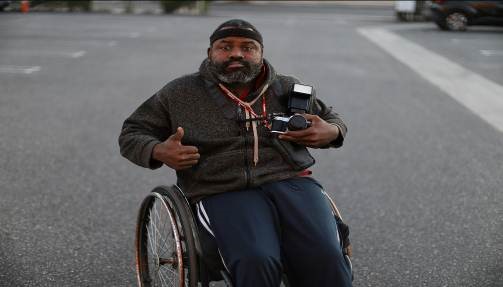
How You Can Support the Mental Health of People with Disabilities
Living with a disability can be very difficult and can affect the mental health and overall well-being of those who experience it. According to WHO, an estimated 1.3 billion people of the world population are disabled. And it is not just physical disabilities but mental disabilities as well.
And this comes with its own set of challenges that affects their mental health.
As we observe the Minority Mental Health Awareness Month, we must draw attention to the challenges faced by people with disabilities, how it affects their mental health and how we can offer meaningful support.
So, in this blog post, we shall discuss some of the challenges faced by people with disabilities and how we can support them.
Challenges Faced by People with Disabilities Which Affects Their Mental Health
1. Social Isolation
Social isolation is one of the most painful challenges many people with disabilities face which affects their mental health.
Due to movement issues and inaccessible environments, disabled individuals find it difficult to participate in social activities and connect with others. Over time, this can lead to feelings of loneliness, sadness, and even depression.
-
Limited Mobility.
In Nigeria and many parts of the world, a lot of buildings, roads and other infrastructures are not universally designed to accommodate disabled people i.e built to be easily accessed by anyone regardless of their disability.
A lot of disabled individuals find it very difficult to access public spaces, transportations and buildings and this has significantly limited their participation in society and has forcefully made them dependent on others.
And all these can cause depression, suicidal thoughts, low self-esteem, etc.
3. Stigma and Discrimination.
People with disabilities are seen as burdens and unfortunately might not get the same opportunities that people without disabilities get.
Furthermore, they are usually consciously or unconsciously excluded from society and a sense of distance exists between them and other people.
This prejudice and discrimination against people with disabilities can cause depression, isolation and mental stress.
4. Financial Difficulties
One major challenge that people with disabilities often face is financial issues. Many disabled individuals cannot easily find jobs. And when they do find jobs, they may be underpaid or not given roles that match their skills and potential.
On top of that, living with a disability often comes with extra expenses like regular hospital visits, therapy, drugs, etc.
And so they might have to rely on their families which can increase feelings of helplessness, depression, anxiety, etc.
ALSO READ: Women in Male-Dominated Industries : How to Support Their Mental Well-Being.
4 Ways We Can Support the Mental Health of People with Disabilities?
Here are 4 ways you can support the mental health of people living with disabilities:
-
Education of the Public
Through your social media platforms, television and radio, you can educate people on how people with disabilities should be treated and reasons why they should not be excluded. This will help people understand that people with disabilities are normal human beings and should not be stigmatized or isolated.
-
Provide Adequate Mental HealthCare
Mental health care is even more difficult to access for people with disabilities compared to other people.
To help, you can recommend online mental health centers to them. You can also help them find therapists, counselors, or support groups that are disability-friendly and understand their unique needs.
3. Be Patient and Kind
Living with a disability can be mentally draining. That is why your support is needed. By being kind to them, you show you care and show that they matter. Little actions like offering your seat, opening doors and relating with them normally can go a long way.
4. Support Their Dreams and Goals
People with disabilities face a lot of challenges that can prevent them from pursuing their dreams and goals but we can reduce this.
If you have a friend or family member who is disabled, encourage and support them in pursuing their dreams. It could be financial, physical or emotional support.
Conclusion
People with disabilities face a lot of challenges which can affect their mental health and overall well-being. Supporting their mental health is not just a job for the government but for every individual.
If you are a person with a disability and is experiencing any mental health issue or you just need somebody to talk to, we are ready to listen.
How Can You Support People with Complex Mental Health Challenges?
Although the discussion around mental health increases daily, it is still largely limited to mainly depression and anxiety.
However, many people live with more complex mental health conditions that require long-term care, professional support, medications, etc.
Some of them include Autism, Eating Disorders, Bipolar Disorders, Post Traumatic Disorder (PTSD), Schizophrenia, etc.
In this article, we will talk about some of the problems faced by people with these complex mental health challenges and how we can support them.
Problems Faced by People with Complex Mental Health Challenges
Some of the problems faced by people with severe mental health challenges include:
- Stigma Associated with Mental Health.
A major challenge that people with mental health issues face is stigmatization and discrimination.
Even in the present day, many individuals with mental health challenges still choose to keep quiet or refuse to seek treatment due to the fear of stigma they may face if they speak up.
The fear of being excluded or shamed by family members and loved ones have ultimately led to a lot of individuals choosing to keep quiet about their condition and suffer silently.
Whether consciously or unconsciously, many people in our society still see mental health as relating to ‘madness’ and ‘crazy’.
And this has discouraged many people from seeking professional mental healthcare.
2. Limited Access to Mental Health Resources.
For a number of reasons, many people cannot easily access mental health resources like therapy, medication, especially in Nigeria. E.g, individuals living in rural areas cannot easily access mental healthcare due to their geographical location.
Also, mental healthcare like therapy, medications, etc., can be costly for many individuals with limited financial resources.
And these lack or limited access to resources has discouraged many people with complex mental health challenges from seeking treatment or support.
3. Lack of Adequate Mental Health Information.
A lot of people have mental health challenges which they are unaware of or choose to dismiss as ‘nothing serious’. And this ignorance has caused many to avoid or delay seeking mental healthcare or treatment.
Also, many individuals are not even aware that they have a mental health condition and some do not even know where they can go to receive mental healthcare.
4. Isolation and Loneliness
People with complex mental health challenges feel lonely and isolated from their friends and family who may not really understand their illness.
This fear of being a seen as burden or as ‘weak’ has made many to distance themselves from their family and friends.
5. Unemployment and Financial Issues
Maintaining regular employment can be difficult due to the unpredictable symptoms or discrimination from complex mental health conditions, like autism, ADHD, eating disorders, etc.
Also, these complex mental health challenges are usually expensive to manage as they may require regular medications, therapy sessions, etc.
ALSO READ: Therapy for Nigerians- 7 Ways Therapy can Change Your Life and Where You Can Access It
4 Ways You Can Support People with Complex Mental Health Challenges?
Here are 4 ways you can offer meaningful support to people with severe mental health issues:
1. Educate Yourself About Their Condition
If you have people around you with mental health conditions like bipolar disorder, eating disorder, autism, ADHD, etc., then you need to start learning about the conditions and their symptoms. It will also help you understand their feelings, and teach you how to interact with them without discrimination.
- Encourage Open Discussions about Complex Mental Health Conditions
The discussions around mental health must move beyond the circle of depression, anxiety and stress. There are other mental health conditions which a lot of individuals suffer from which must be addressed.
We must be open to having discussions where people with mental health conditions like Autism, Bipolar Disorder can speak out about their condition and receive support without fear of being judged or stigmatized.
Having these conversations both offline and online will help to destigmatize and encourage those with these mental health challenges to speak up and get help.
- Increase Access to Mental Health Resources
Individuals, governments and other stakeholders have a role to play to ensure that people with mental health challenges get adequate mental health care.
The government needs to ensure the increased presence of mental health clinics in rural areas or areas that are not easily accessible.
Mental health professionals and organizations should also organize outreaches where free or cheaper mental health resources are offered.
Also, the presence of online mental health resources like online therapy needs to be more publicized.
Mycarebuddy offers budget-friendly therapy options for both online and offline therapy. Click here to book an appointment.
- Encourage them to Seek Professional Help
We must encourage people around us with complex mental health conditions to speak up and seek help. This could be through therapy, medications, counselling etc. To encourage them, we can contribute to their financial resources for medications, recommend therapists, accompany them to therapy and mental health treatment centers, etc.
ALSO READ: How to Help Your Loved One Suffering from Depression
Conclusion
People with complex mental health challenges face silent struggles due to their conditions. And they need more than just your kind words. They need consistent care, understanding, and long-term support.
To support them, we should be open to listening to their struggles without judgement, encouraging them to seek professional support, etc. In this way, we can create a world where people can talk about their mental health challenges and receive mental healthcare without fear, stigma or shame.
And if you have a mental health issue or just need someone to talk to, feel free to book an appointment with us now.