

Signs You Are Struggling with Your Mental Health: Ways to Handle It
Many of us are in a poor mental state without even realizing it. We try to handle everything on our own; We feel stressed out, anxious and keep enduring it until we reach breaking point. At the end, it affects our work, relationships and even our physical health.
That is why we need to always be conscious of our mental health so we can take action when the need arises.
May is the Mental Health Awareness Month and it is also a call to action for us to be more concerned about our mental health.
So, in this article, I will mention some signs that can help you tell if your mental health is poor. I will also give you some tips on how to solve them.
Why It is Important to Recognize Mental Health Issues Early
Being able to tell if your mental health is poor will help you get support early. Whether you need to see a therapist or even make some lifestyle changes, it all starts with knowing first if your mental health is in a good or bad state.
It will also help you manage existing mental health issues from getting worse i.e it will help you know whether you need more serious help like medications, diagnosis, etc.
Common Signs You Are Experiencing Mental Health Struggles or in a Poor Mental State
For clarity, I have grouped them into 3 categories which are physical, emotional and behavioral. Now, let’s get into it.
Emotional Signs of Poor Mental Health
These are the internal signs i.e changes in how you feel inside. Some of them include:
- You feel sad, empty, depressed, and hopeless especially for a long period of time.
- You feel nervous and anxious, sometimes for no reason.
- You lose interests or motivation to do the things and hobbies you used to love.
- You start trying to isolate yourself and withdraw from your friends, family and other social circles.
- You have regular emotional outbursts like suddenly crying, getting angry for no reason, etc.
- You experience constant changes in your mood: One minute you feel happy; another minute you feel sad.
Physical Signs of Poor Mental Health
These are the changes in your body when you are in a poor mental state. Some of them include:
- You experience frequent stomach aches, headaches and even body pain.
- Your eating pattern changes suddenly.
- You start gaining weight or losing weight even without dieting or exercise.
- You constantly feel stressed, tired or sleepy no matter how much rest you get.
- You find it stressful or tiresome to handle your daily activities like bathing, dressing up, etc.
Behavioral Signs of Poor Mental Health
These are the signs that shows up in how you act or behave. Some of them include:
- You start thinking of committing suicide and even attempt it.
- You start taking alcohol or increase your intake of alcohol and drugs.
- You start having sleeping issues like sleeping too much, not sleeping at all, inconsistent sleep, etc.
- You constantly spend time thinking for long periods; Always staring into space and being lost in thought for a long time.
- You are constantly worried and afraid.
- You have a sudden change in behavior like stealing, truancy, fighting, etc.
- You find it difficult to think clearly or concentrate.
- You start experiencing anxiety and panic attacks.
- You start practicing self-harm like cutting, burning or hitting parts of your body like your wrists, arms, thighs, etc.
- You post cryptic and sometimes suicidal messages on social media.
- You find yourself writing suicidal notes or messages.
- You are constantly having negative thoughts.
How Can You Handle/Overcome Your Mental Health Struggles?
- Acknowledge Your Feelings: Yes, it is okay not to be okay. It doesn't mean you are weak. If you feel tired, stressed, anxious., etc, acknowledge it. Don’t try to hide it or ignore what your body is trying to tell you. This is the first step to improving your mental health.
- Talk to Someone About It: When you are struggling with your mental health, talking to someone about it can go a long way. Just expressing your honest feelings is a major step in improving your mental state.
Talk to someone who is mental health conscious and willing to listen without judgement. It can be your family members or your friends. You can also talk to a professionally trained therapist.
Talking to them will help you find a solution to what worries you.
- Start Journaling: Journaling is a mental health practice that not only provides an opportunity to express your feelings but it brings a sense of peace and clarity to your mind. It can help you process your emotions and identify what is making you feel the way you do, etc.
- Start Exercising: Exercising is one of the ways you can improve your mental health. Regularly exercising will improve your mood, calm your mind and strengthen your body.
- See a Therapist: Seeing a therapist is not a sign of weakness. If you show or think you have any if the signs mentioned above, see a therapist.
If you are not comfortable with a face-to-face meeting, you can book an online therapy session. A therapist will talk you through what you are feeling and help you identify reasons you feel that way. They will also recommend healthy coping strategies to help you reduce and overcome your mental health struggles.
You can book an online therapy session with our therapists here.
- Reduce Your Intake of Alcohol and Other Substances: Taking alcohol and drugs will only increase your symptoms and make you more depressed. That is why you need to control yourself no matter how tempting it may be.
- Eat Healthy Foods: A balanced diet will help to regulate your mood, energy levels, and overall mental well-being. So, eat healthy meals including fruits, vegetables, etc.
- Practice Self-Care: Taking time to rest and relax can help you manage stress and feel more in control. It will also improve your mood and help you be more productive. Examples of self-care practices you can try are meditation, yoga, hanging out with friends, going on spa dates, etc. It can be anything as far as it helps you relax and makes you happy.
Conclusion
Apart from your physical health, you should also be more conscious about your mental well-being and take care of it. Taking care of your mental health is important if you want to live a happy and fulfilling life.
By recognizing the signs of poor mental health, you will be able to take quick and proactive steps to improve it.
If you would like to talk to someone about how you are feeling, book a therapy session with us now.

Simple Daily Self-Care Practices for Busy People
Self-care is not an activity you do once in a while or when you are in the mood. Unfortunately, some of us see it as a luxurious activity reserved for people with free time.
However, self-care is for everyone, no matter how busy you are. Even with all your responsibilities, you can always find 15-20 minutes daily to prioritize your self-care.
We understand how hectic life can get and how easy it is to forget to take care of yourself. So, in this blog post, we will give you some simple self-care practices that you can do every day no matter how busy you are.
Why Self-Care Matters No Matter How Busy You Are
Self-care practices are the activities, actions or steps you take to take care of yourself whether physical or emotionally. It helps you destress, recharge yourself and improve your health.
According to betterup, “Self-care practices put deposits into your wellness ‘bank account’. Consistent deposits give you more internal resources to draw upon during stressful times."
This means that regular self-care will help you maintain and improve your physical and mental well-being at all times.
Here are 3 major benefits of self-care:
Practicing Self-care Helps You Reduce Stress and Burnout.
Stress is one of the major reasons why you need to practice self-care regularly. Many of us are stressed out due to our job, our academics, our family obligations, financial responsibilities, etc, which is not good for our well-being.
Also, stress can cause physical health issues like high blood pressure, heart issues, etc. It also affects our mental health and can lead to burnout, anxiety and depression.
But with regular self-care, you can relax, recharge yourself and be less stressed.
It Improves Your Mood and Increases Your Energy Levels.
Self-care as its name implies involves caring for yourself intentionally. This means you are choosing to care and prioritize yourself.
Practicing self-care will help you relax and make you happier. It will also increase your energy levels and makes you more productive at work.
It Reduces Anxiety and Depression
When you practice self-care, you become less stressed and anxious. You feel at peace and happy. It also boosts your mood and puts you in a better mental state. For example, exercising, a self-care practice releases certain hormones in your body like endorphins, serotonin etc., which boosts your mood and reduces symptoms of anxiety and depression.
Daily Self-Care Practices Even When You Are Busy
To make it more practical, these daily self-care tips will be divided into morning, during the workday, and evening (before bed), so you can easily choose the ones that fit your schedule.
In the Morning:
- Exercising: No matter how busy you are, you can take time in the mornings to go for a quick workout, even as short as 30 minutes. You might not have time to go to the gym but there are home workouts you can do with equal benefits.
You could even quickly take a walk or jog around your neighborhood/compound. Other exercises you can do at home are Pilates, planks, yoga, etc.
2. Drink a Cup of Water Every Morning: You can decide to drink a cup of water every morning which will help you start your day in a better mood and energy level. You can even get a water bottle for yourself that you can take around to work, ensuring you stay hydrated during the day.
3. Deep Breathing: This is something you can do in the morning and won't even take you up to 10 minutes. Before starting your day, take a little time just to focus and do some simple deep breathing exercises like 4-7-8 breathing, box breathing, alternate nostril breathing, pursed lip breathing, etc.
4. Keep a Gratefulness Journal: Just taking time in the morning to write down some things you are grateful for will do wonders for your mood and mental health. Even better, it might not even take you up to 10 minutes.
5. Eat a Healthy Breakfast: How many times have you been so busy in the morning that you decide to skip breakfast? Well, it should not be so. Research has shown that eating a good breakfast in the morning can help you concentrate better and be more productive at work.
And no, eating snacks/junks in the morning is not a healthy breakfast.
6. Listening to Inspiring Music, Positive Affirmations: Doing these on your way to work is a very powerful way to start your day. It will improve your mood, increase your confidence and make you even more energetic.
7. Take Time to Dress Up and Look Good: Taking a few minutes each day to dress intentionally can boost your self-esteem, improve your mood, and help you feel in control.
During the Day/ At Work:
- Set Boundaries: Whether you work from home or in the office, set some boundaries in your work. Say ‘No’ when you should, especially if the work is too much for you to handle. Don't take everything on yourself and always be willing to delegate.
Failing to do this can leave you overworked, stressed, and burnt-out.
2. Socialize and Move Around: If you work in the office, try to walk around or go outside during lunch breaks. Don't just sit down for hours. Move around. Talk to your co-workers.
Your break is for you to rest your body and your brain. Take advantage of it.
3. Arrange Your Workspace: This looks a kind of work but it helps some of us relax. Just taking time to arrange and even beautify your workspace can reduce your stress and improve your mood.
In the evening/Before Bed:
- Go to Bed Early: Some of us come home from work and bring the rest of our work home. After spending hours at our job, we continue at home and end up sleeping late. But you can change that. Don't bring your work home and don't think about work when you are at home.
Create a specific time to sleep so you can get the recommended 7-9 hours of sleep. This will reduce high blood pressure and improve your mood. It will also make you more energetic the next day.
2. Read a Book: If you a book lover like me, self-care can be as simple as reading a book. It doesn't have to be related to your work. Just something you love and makes you happy, maybe detective novels or romance novels.
3. Take a Screen Break: Taking a screen break after work can be really beneficial especially if you work majorly with your computer or phone. Just switch off notifications, or use airplane mode.
Spend time in the offline world. It will really help you destress. Plus, it is good for your eyes and helps you sleep better.
4. Spend Time with Your Family: No matter how busy you are, you should try to make time for your family. The little time you spend talking to them and having conversations will help you relax.
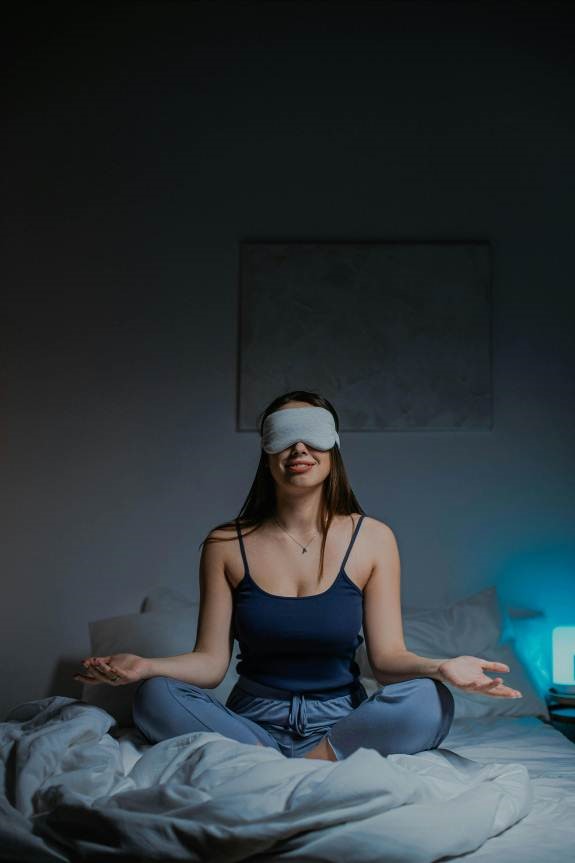
5. Meditate Before Bed: This is a popular mental health practice that can help you calm your mind and relax. It will help your mind take a break and be more conscious of your thoughts and your body.
You can do this in the evening, maybe before bed. You can also do this in the morning.
Read more about meditation here.
6. Start Journaling: It involves writing down your thoughts, opinions and feelings, experiences in a journal. It will help you process your emotions and work out things that are bothering you. You can learn more about the benefits of journaling on your mental health here.
7. Watch a Movie: Now if you are an avid movie watcher like me, taking time to watch some movies can be a really good way to destress and recharge yourself. It will also improve your mood and make you happy.
8. Listen to Music/Dance to Music: For some people, music is a way for them to relax and it makes them happy. If this is you, then after work, you can listen to some music at home, maybe dance and just have fun.
9. Hang out with Your Friends and Spend Time Outside: After a busy day, you can decide to go out and meet some friends. You could go out for drinks or dinner, do some sports together, etc. This will help you relieve all the stress and tension of the day and improve your emotional health.
Remember, self-care is different for everyone. So, take time to find what works for you.
3 Simple Tips to Make Self-Care a Natural Part of Your Life.
Sometimes, the reason self-care feels overwhelming is because we think of it as one big activity. It should be a natural part of your lifestyle. Not an extra responsibility or chore. To help you make it a part of your routine, here are some simple tips to guide you:
- Do Only What You Love: Whatever you choose, whether it is on this list or not, make sure it is something you love and which helps you relax.
- Start Small: To ensure consistency, just pick 1 or 2 you enjoy and stick to it. For example, after a busy day, I love to watch some movies and maybe listen to music and that does it for me. So find what works for you and stick to it.
Self-care does not have to be one big thing. Just taking a few minutes in your morning to journal can go a long way.
- Be Flexible: Like I said earlier, self-care is not a chore or another responsibility. So, even if you miss some days, you can continue the next day without feeling guilty or stressed out. And always remember to celebrate your little wins.
Taking care of yourself doesn't mean ‘me first’, it means’ me too’.
Conclusion
Practicing self-care should be a part of your lifestyle no matter how busy you are. The truth is if you don't prioritize and find time to take care of yourself and destress, you are bound to hit a breaking point. And this can affect your health, your personal life and even your work.
Remember, self-care is not you being selfish, it is you prioritizing and investing in your physical, emotional and mental health.
Now, which self-care practice will you do today?